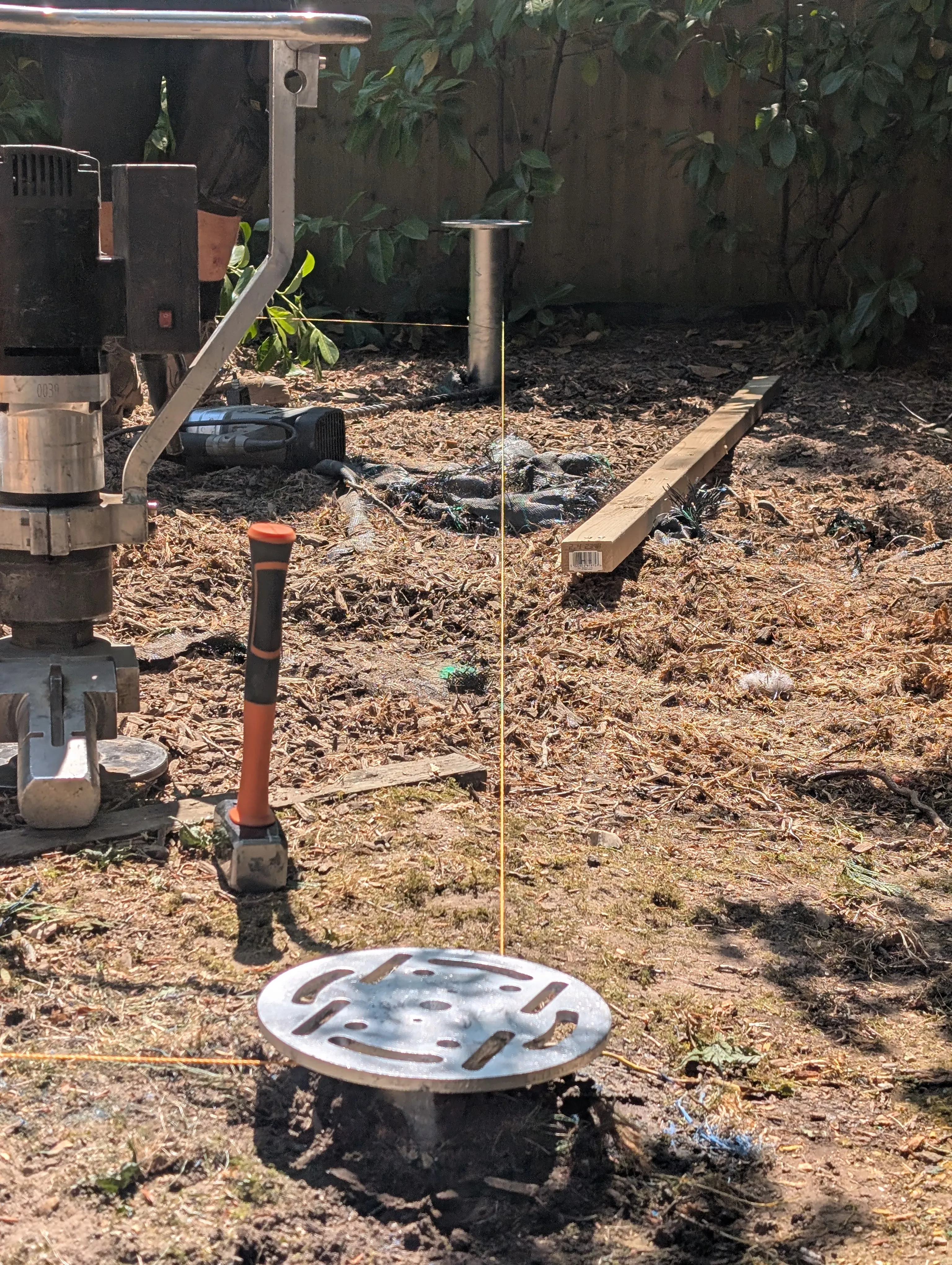
Ground screw testing in Reading
JustBases offers standalone ground screw testing in Reading, including existing screws and foundations installed by other companies, subject to assessment. We provide pull-out, compression and lateral testing, with separate torque monitoring and specialist torsional testing enquiries welcome. Tell us the postcode and purpose, request a testing quote, call 01202 039753 or message Craig on WhatsApp.
Ground screw tests we offer
A physical test helps establish how a particular screw and test position respond to an agreed load. The useful starting question is the direction of force you need to investigate. Pull-out, compression and lateral testing answer different questions, so we agree the method around the project purpose rather than treating them as interchangeable.
Testing can support decisions before a full foundation is installed, or provide evidence about an existing arrangement. You do not need to purchase an installation from JustBases to request it. If an engineer, building supplier or other adviser has asked for a test, share their request if you have it; we can also start with a plain description of what you need.
Pull-out testing
An upward force investigates resistance to being lifted from the ground. The agreed load and movement observations provide evidence about uplift response at the tested position.
Learn more: Pull-out testingCompression testing
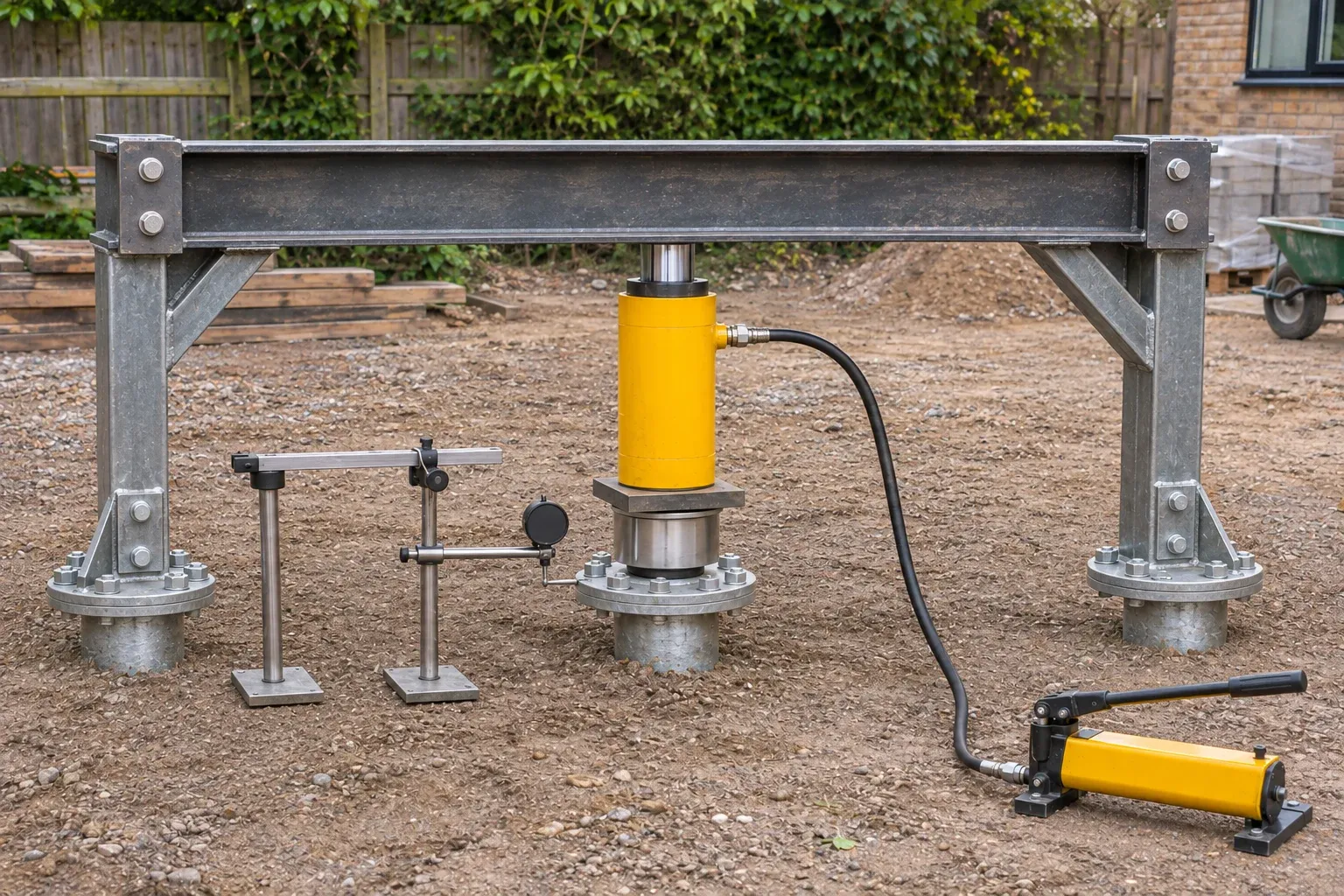
A downward force examines movement under compression. This directly investigates the screw's response to a pushing load; it is different from a compression figure calculated from another type of test.
Learn more: Compression testingLateral testing
A sideways force examines the screw's lateral response. The direction of loading, connection and movement measurement are agreed for the purpose of the test.
Learn more: Lateral testing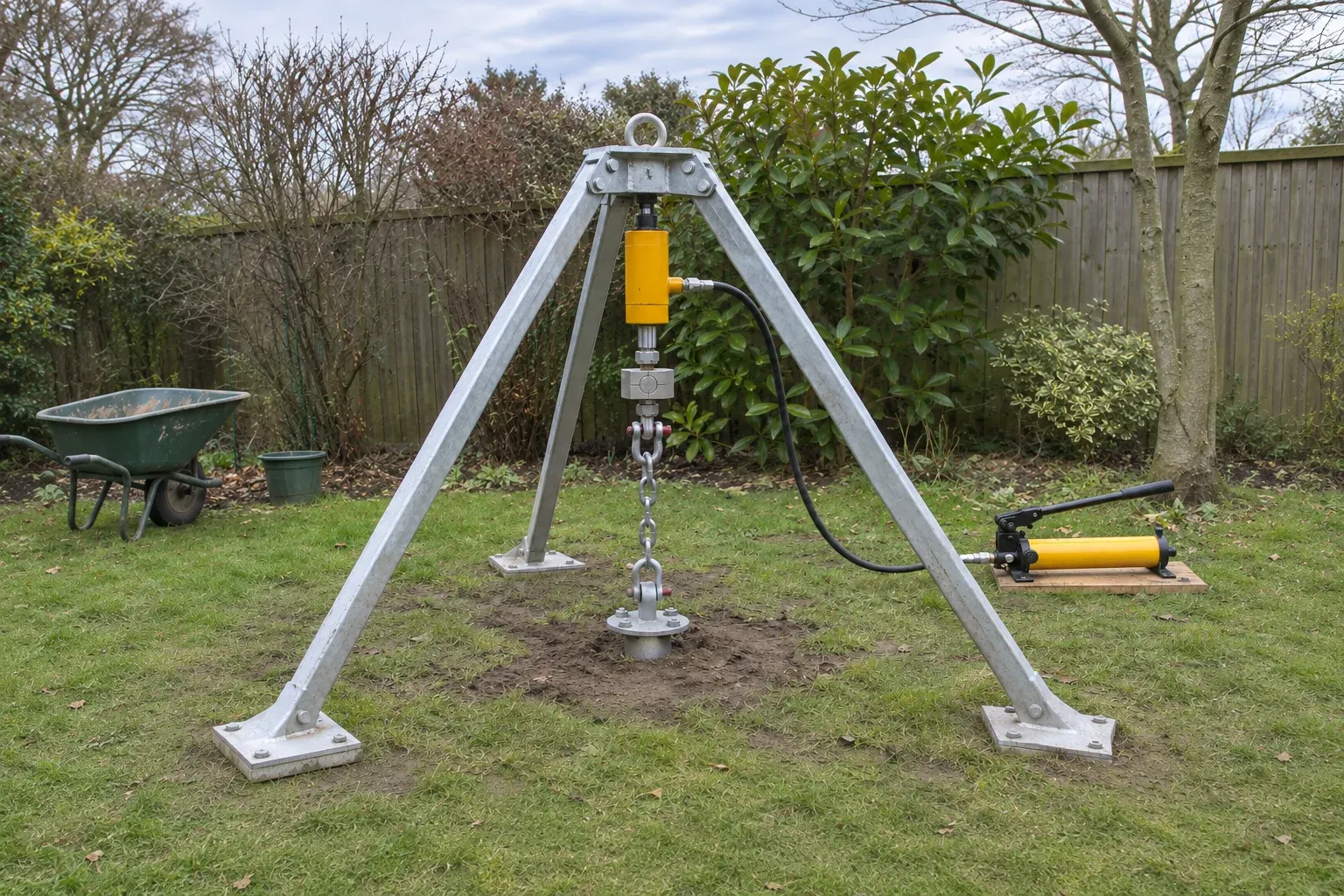
Ground screw testing prices in Reading
The price guide below gives separate starting fees for pull-out, compression and lateral testing. The written price follows the actual visit: the number of positions, test method and loads, equipment access, preparation and reporting requirements need to be established together. Tell us if you are arranging several tests or coordinating with another contractor.
Installation torque monitoring and a specialist torsional load test are separate services, each price on application. Monitoring records turning resistance during installation; a torsional test examines response to an agreed twisting load. Neither is a substitute label for the three direct-load tests in the guide.
Local guide prices start with our Ringwood prices, adding 0.1% for each one-way road mile to the town, then rounding up to a whole pound. Your written quotation confirms the price for your site and agreed work.
- Pull test (tensile or uplift test)
- From £511
- Load test (compression test)
- From £1,021
- Lateral test (sideways load)
- From £500
- Installation torque monitoring
- Price on application
- Specialist torsional load test
- Price on application
Each additional test
Each extra charge applies to an additional test of the same type, at the same location on the same day. The first test of each type is priced separately.
- Pull test (tensile or uplift test)
- £160 extra
- Load test (compression test)
- £320 extra
- Lateral test (sideways load)
- £155 extra
No VAT is added to the guide prices shown. Guide prices are subject to site conditions, access and the written quotation.
Ask about a ground screw test
Send the site postcode and tell us what the testing is for. If the screws are already installed, mention whether a building or frame is attached. A photo, screw details or an existing test brief can help, but you can enquire without drawings or technical instructions.
Call 01202 039753 or message Craig on WhatsApp if you would prefer to explain the situation. We will identify what needs agreeing before a testing visit and provide a written quotation for that scope.
Request your free quote
Give us your contact details and a short description of the testing you need. You can ask before the technical requirements are complete.
Your enquiry
Ground screw testing in Reading
How ground screw testing works
A useful test starts with a clear purpose and ends with a record that the project team can interpret. We discuss the method and practical arrangements before agreeing a visit, including who will specify the loads and decide the acceptance criteria.
Agreeing the test
We establish whether you need uplift, downward or sideways loading, installation information, or a specialist twisting test. The agreed scope identifies the screw positions and the required test loads, sequence and measurements. Where a designer is responsible for the foundation, their criteria need to be part of this discussion.
Access and safe test arrangements
We assess how the equipment can reach the test positions, how it can connect to the screws and how the opposing force needed for the test can be provided safely. An existing frame, nearby building or limited working room may affect the method. Preparation and any other contractor's role are agreed in advance.
Results and report
The agreed testing records the loads applied and the screw's response. The written report relates those results to the tested positions and conditions, with project-specific load calculations where included in the agreed scope. The responsible designer can then use that evidence against the project's requirements.
Testing existing screws and trial installations
For an existing installation, photos of the overall foundation and any visible heads or connections are a helpful first step. Tell us whether the structure is in use and what information you already have about the screws. We assess whether the requested test can be carried out safely and meaningfully with the available access.
If a frame or building covers the heads, leave the connections intact while we discuss the work. It may be possible to establish the practical options from existing information and a visit. Any opening-up or temporary structural work needs an agreed responsible arrangement; the customer is not expected to dismantle a foundation for an initial quotation.
Trial screws can be tested before committing to the complete foundation. The trial needs to relate to the proposed screw, installation and site so the results help the designer answer the intended question. A trial at one position provides evidence about that test, rather than automatically establishing performance throughout the plot.
What your test report tells you
The report should be read with the agreed test scope. It identifies the testing carried out and records the applied loading and measured response for the relevant screw positions. The conditions and method matter: a result from one screw or force direction is not automatically a result for every screw or every direction of loading.
A direct compression test and a calculation derived from pull-test information are different forms of evidence. Where a project-specific calculation is included, its basis and applicable scope need to be clear. That distinction helps your designer judge whether the information answers the design question.
The report provides foundation-test evidence, not automatic certification of the whole garden room or building. The responsible designer considers the results alongside the loads, frame, connections and wider design. We agree the required deliverables before testing so you know what you will receive and who needs to review them.
Arranging testing in Reading
For a Reading-area visit, give us the full site address and say where equipment can be unloaded and how it will reach the foundation. Include gates, steps, shared access or site working hours if relevant. We use that information to plan the visit with you and include the necessary arrangements in the quotation.
Please also identify the person who can authorise access and the person who will use the report, if known. On a project involving a building supplier or engineer, agreeing those contacts early can help the test and report arrive at the right stage. If you are only exploring the options, an outline is enough to start.
See our Reading services page and Berkshire service area for the wider offer. If you also need a new foundation, Reading ground screw installation is a separate service; it is not a condition of booking a test.
Areas we cover around Reading
Standalone ground screw testing is available in Reading and the surrounding communities below, including suitable screws fitted by another installer. Your quotation confirms the tests, full site address and visit arrangements.
Reading includes the centre, Caversham, Caversham Heights, Emmer Green, Tilehurst, Norcot, Kentwood, Southcote, Coley, Katesgrove, Redlands, Whitley and Whitley Wood.
To the east and south-east: Earley, Lower Earley, Woodley, Sonning, Charvil, Twyford, Ruscombe, Hurst, Wargrave, Winnersh, Arborfield and Barkham. To the south: Shinfield, Spencers Wood, Three Mile Cross, Ryeish Green, Grazeley, Swallowfield and Beech Hill.
To the west and south-west: Calcot, Holybrook, Purley on Thames, Pangbourne, Tidmarsh, Sulham, Theale, Englefield, Bradfield, Burghfield, Burghfield Common, Mortimer, Wokefield, Sulhamstead and Ufton Nervet.
North of Reading: Mapledurham, Chazey Heath, Trench Green, Nuney Green, Tokers Green, Kidmore End, Chalkhouse Green, Gallowstree Common, Cane End and Sonning Common. These neighbouring Oxfordshire places are listed as surrounding communities, not as part of Reading Borough.
Useful postcode districts for arranging an enquiry include RG1, RG2, RG4, RG5, RG6, RG7, RG8, RG10, RG30 and RG31. Give us the full postcode, including for an unlisted village, so we can discuss the visit arrangements. The separate Wokingham testing page may also help you find the relevant local route.
Feedback on Craig’s earlier work
Feedback on Craig’s earlier groundwork and customer service.
"Craig and the team are absolutely fantastic. From courtesy, to standard of work, to tidiness — everything exceeded expectations. The job was arranged, booked and done extremely quickly and we are very happy with the results. Nothing was too much trouble, and communication was easy."
"Craig and his crew were excellent from the first communication, quote, timing of work and quality of work. Highly recommended."
Frequently asked questions
These answers explain how to request the right evidence and arrange the work, whether you are planning a new foundation or asking about screws that are already in place.
Can you test screws that another company installed?
Yes, we accept standalone testing enquiries for other installers' screws. We first assess the available screw information, connection, access and test purpose. You do not need to buy a replacement foundation or an installation from JustBases to discuss testing.
How do I choose between pull-out, compression and lateral testing?
The required force direction guides the choice. Pull-out testing applies an upward force, compression pushes down and lateral testing pushes sideways. Tell us what the project needs to establish or share the request you have received; the scope can then be agreed with the person responsible for the foundation design.
Is lateral testing offered as a separate service?
Yes. Lateral testing is one of the three direct-load services alongside pull-out and compression testing, with its own guide fee. The quotation confirms the loading direction, test arrangement and scope for your site. It should be requested as lateral testing rather than assumed to follow from an uplift test.
What is installation torque monitoring?
It records turning resistance while the screw is being driven into the ground. That can provide useful installation information, but it is not a direct load test and there is no universal formula that converts it into capacity. Ask for monitoring when arranging the installation; it is separately scoped and price on application.
What is a specialist torsional test?
A torsional load test investigates response to an agreed twisting load. It is distinct from recording torque during installation and from applying upward, downward or sideways force. If this is what your designer requires, share the request so the suitable method and price-on-application scope can be discussed.
Can testing happen before the complete foundation is installed?
Yes, a trial installation can be tested to provide evidence for the proposed foundation. The screw, installation details, test position and required loading need to be relevant to the design question. Agree the trial with the responsible designer so its results can be used appropriately in the next decisions.
What if a timber frame hides the screw heads?
Tell us how the foundation is arranged and send any existing photographs or drawings if available. We assess whether the requested connection and test can be made safely. Leave structural connections intact while we discuss the options; any opening-up or temporary works needs a properly agreed arrangement.
Can you test below a building that is already in use?
That requires assessment of access, the test connection and the effect of the proposed loading on the existing arrangement. Tell us whether the building is occupied or carrying equipment. The safe method and any preparation responsibilities must be agreed before booking; an ordinary photograph alone cannot settle those questions.
Do I need an engineer's test brief before contacting you?
No. Describe the project, where it is and why you are considering testing. We can explain the available methods and identify the information needed for a meaningful scope. Required loads and acceptance criteria are settled with the responsible designer before the test rather than demanded before your first enquiry.
Who decides the test load and whether the result is acceptable?
The project's responsible designer specifies or agrees the loading and acceptance criteria for the foundation. The test records the response under that agreed arrangement. A generic threshold would not necessarily relate to your building, screw or connection, so those criteria need to be established for the actual project.
What does the written report include?
The deliverables are agreed in the quotation. They record the testing carried out, relevant positions, applied loads and measured response, with project-specific load calculations where included. Discuss any particular report format or information requested by your designer before the visit so the scope meets its intended purpose.
Does one successful test certify the whole building?
No. The result concerns the tested arrangement and conditions. The responsible designer considers it alongside the foundation layout, building loads, frame and connections. A ground screw test report does not automatically certify every screw, the entire structure or the building's compliance.
Is calculated compression the same as a direct compression test?
No. A direct test applies downward load and measures the response. A calculation based on other test information uses an agreed applicable method and must be identified as a calculation. Ask which evidence your project requires so the quotation and report distinguish these clearly.
What affects the price of a Reading testing visit?
The method, number and location of test positions, required loading, equipment access, preparation and report scope all matter. Share any site restrictions or coordinated contractor visits when you enquire. The displayed fees are a guide; the written quotation describes the particular testing and arrangements being purchased. At the same location on the same day, each additional compression test costs £320 extra, each additional pull, tensile or uplift test costs £160 extra, and each additional lateral test costs £155 extra. These fixed charges are for further tests of the same type; the first test of each type is priced separately.
How should I prepare for your first discussion?
Have the site postcode and a short explanation of the reason for testing. If convenient, gather photos of the foundation and route in, along with screw details or the request you received. You do not need to uncover heads, dismantle a frame or prepare a technical drawing to start the conversation.
What happens next
Use the testing enquiry form, call 01202 039753 or message Craig on WhatsApp. We will discuss the purpose and site, agree what must be established for the test, provide a written scope and price, and arrange the visit with you.