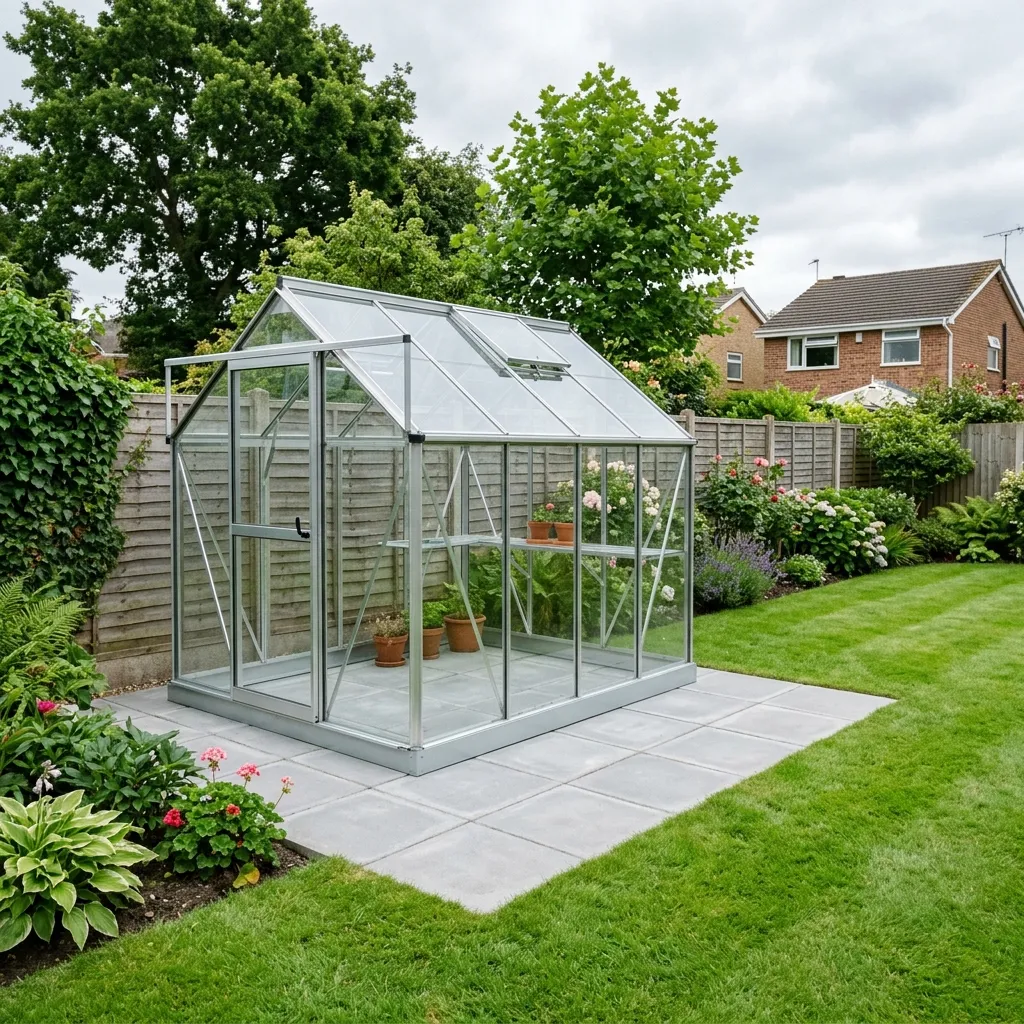
Professional Greenhouse Base Installation in Lyndhurst. Built for Drainage. Guaranteed 10 Years.
Precision-levelled greenhouse bases across Bank, Emery Down, Minstead, Swan Green, Ashurst & Cadnam. Engineered for the New Forest's acidic sandy soils and strict National Park standards.
Greenhouse Base Specialists for New Forest Gardens.
Lyndhurst — the capital of the New Forest — sits in a landscape where acidic sandy heathland meets clay-filled valleys, and ancient woodland creates unique microclimate conditions that affect everything from soil pH to frost patterns. Greenhouse growing here can be exceptional: the Forest's sheltered positions, mild autumns, and clean air create near-perfect conditions. But the ground beneath needs careful preparation.
The higher ground around Bolton's Bench and Emery Down sits on free-draining Barton Sand — excellent for drainage but naturally acidic and nutrient-poor. Lower areas towards Bank and Ashurst feature sticky Barton Clay with seasonal movement and waterlogging. Your greenhouse base must handle whichever soil your garden sits on, staying precisely level through every season while managing water appropriately.
Working within the New Forest National Park also means sensitivity to the protected landscape. We use minimal-impact techniques where possible, protecting mature tree roots, avoiding unnecessary excavation near ancient woodland, and ensuring every base respects the character of this special place.
Ground Conditions for Greenhouse Bases in Lyndhurst
Soil Type: Acidic sandy heathland (New Forest / Barton Sand)
Lyndhurst's geology splits into two distinct zones. The higher plateau around Bolton's Bench and Emery Down sits on Barton Sand and plateau gravels — free-draining, acidic (typically pH 4.5-5.5), and relatively stable. Lower-lying areas towards Bank, Ashurst, and Bartley feature Barton Clay — heavier, poorly drained, and prone to seasonal shrink-swell movement. Many Forest gardens contain both soil types, with sandy upper slopes transitioning to clay in lower hollows. We test and assess every site to determine the precise ground conditions.
Drainage
Sandy areas drain freely — almost too well in some cases, with water passing straight through. We ensure sub-bases are properly compacted to prevent settlement, and use geotextile membranes where sandy substrates risk washing out. Clay valleys around Ashurst and lower Bank require the opposite approach: integrated drainage falls, generous type 1 sub-bases, and sometimes perimeter French drains to manage standing water. The key is matching the drainage design to your specific Forest garden.
Wind & Exposure
Lyndhurst benefits from significant natural shelter provided by the surrounding ancient woodland. The Forest canopy breaks wind effectively, though gaps and rides can funnel gusts. Properties on the open heathland above Bolton's Bench are more exposed than those nestled among trees in Minstead or Bank. We recommend positioning greenhouses in naturally sheltered spots, using existing outbuildings and hedging as additional windbreaks. The prevailing wind is south-westerly.
Frost Risk
The New Forest creates distinctive frost patterns. Higher, exposed positions like Bolton's Bench can experience sharper frosts, while sheltered woodland clearings in Minstead and Swan Green trap cold air on still nights, creating frost pockets. The overall Forest microclimate is milder than open countryside, but local topography matters enormously. We advise positioning greenhouses on gentle south-facing slopes where cold air drains away naturally, and setting bases at heights that promote airflow beneath the structure.
Orientation Advice
For Lyndhurst Forest gardens, orient your greenhouse ridge east-west to capture maximum winter light through the shorter Forest days. South-facing positions are ideal, but be mindful of overshadowing from mature New Forest trees — oaks and beeches in particular can cast long shadows in winter when the sun is low. Clearings and south-facing edges of woodland plots provide the best combination of shelter and light. We can advise on positioning during your site assessment.
Your Perfect Greenhouse Base in 3 Simple Steps
Tell Us About Your Greenhouse
Share your greenhouse dimensions, SO43 postcode, and a photo. Let us know about nearby trees, ground type, and whether you're on sandy or clay ground — it shapes our approach.
Get Your Fixed Quote
We'll recommend the ideal base for your Forest ground conditions and provide an all-inclusive price, accounting for any National Park considerations.
Base Installed, Greenhouse Ready
Our New Forest crew works sensitively within the National Park — most bases completed in a day. Forest ponies managed, site left pristine, base ready for your greenhouse.

Need Help Choosing Your Lyndhurst Greenhouse Base?
"Hi, I'm Craig. Lyndhurst has some of the most varied ground conditions I work on — well-drained sand up by Bolton's Bench, heavy clay near Ashurst, and everything in between. Add ancient tree roots, Forest ponies wandering through, and National Park planning rules, and a greenhouse base here needs proper local knowledge. I've been laying foundations across the Forest for over a decade. Give me a call and I'll tell you exactly what your garden needs."
Choose Your Greenhouse Base Type
Recommended for Lyndhurst: Paving Slabs
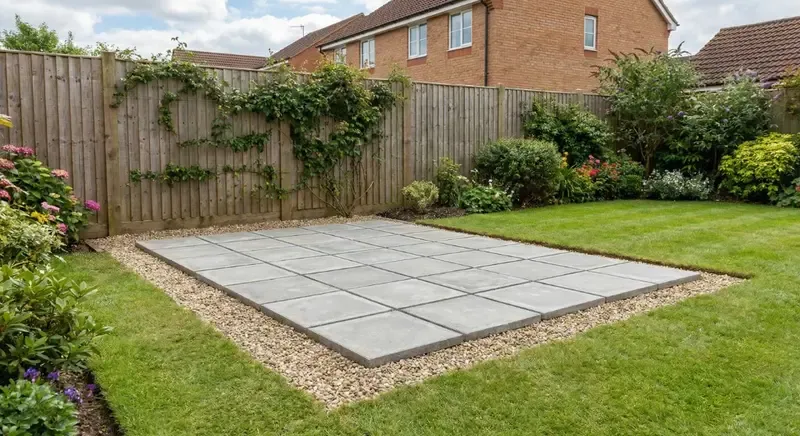
Paving Slabs
Ideal for free-draining sandy Forest ground
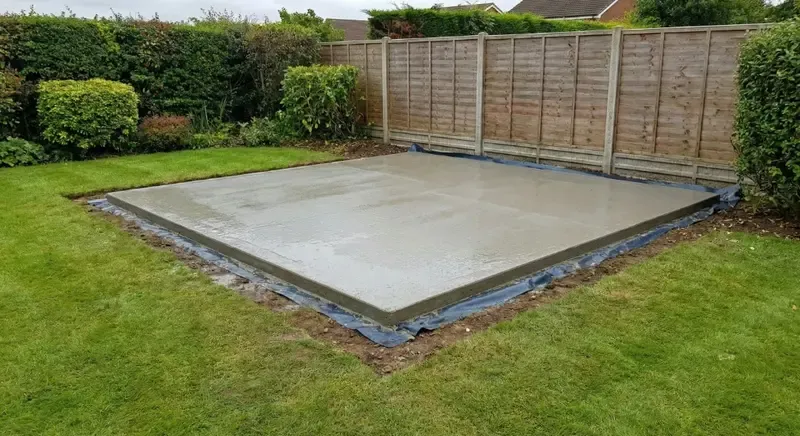
Poured Concrete
Reinforced for clay valleys near Bank
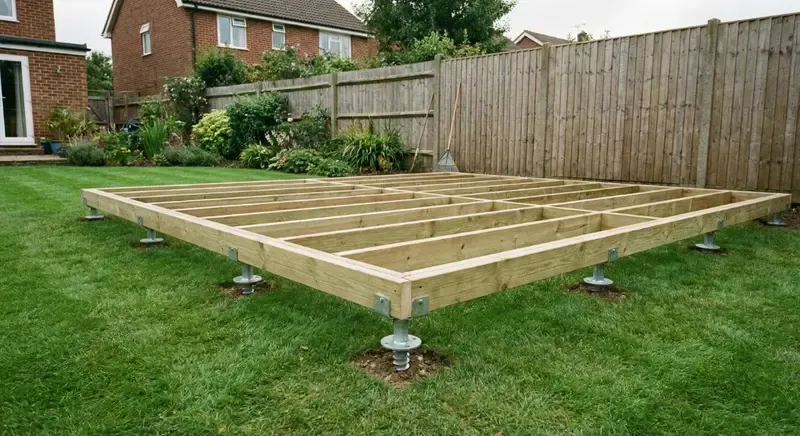
Ground Screws
Protects ancient tree roots — zero excavation
Greenhouse Suppliers Near Lyndhurst
Setley Ridge Garden Centre
Traditional, family-run garden centre near Brockenhurst with passionate plant expertise, on-site greenhouse work area, farm shop, and vineyard. A short drive from Lyndhurst.
Visit Website →Fairweather's Garden Centre
Well-regarded, independent garden centre in Beaulieu. Known for their extensive Agapanthus collection, knowledgeable staff, and community garden. Expert horticultural advice for New Forest growers.
Visit Website →Planning & Permissions in Lyndhurst
Permitted development rights are more limited within the New Forest National Park. Standard permitted development conditions still apply, but the NFNPA has additional powers to restrict outbuildings if they harm the character of the National Park. Greenhouses to the side or front of a dwelling may require planning permission. We strongly recommend contacting the NFNPA (01590 646615) to confirm your greenhouse plans comply with National Park requirements.
Lyndhurst sits at the heart of the New Forest National Park, where stricter planning controls apply compared to areas outside the park boundary. Conservation area designations cover central Lyndhurst near the Queen's House and St Michael's Church. Many properties have Tree Preservation Orders, and the overall character of the National Park must be preserved. Always check with the NFNPA before installing any garden structure.
Why Lyndhurst Gardeners Choose JustBases
National Park Specialists
We understand the NFNPA's requirements and work sensitively within this protected landscape — from base heights to tree protection.
Forest Ground Expertise
From Barton Sand on the hilltops to clay in the valleys, we match your greenhouse base to your actual soil conditions.
Tree Root Protection
Ground screws and raised bases protect ancient woodland roots — essential near TPO-protected oaks and beeches throughout SO43.
10-Year Written Guarantee
Full structural coverage across all Forest ground conditions. Your greenhouse base is guaranteed against defects.
"Craig and Andy did a splendid job. Everything was cleared up as they went and the site was left in very tidy condition. They were unfailingly polite and considerate. We thoroughly recommend them."
— Verified Customer
"Installed to a very high standard. Very quick and very clean and tidy. Would certainly recommend this company."
— Verified Customer
Ready for Your New Greenhouse Base?
Get your free, no-obligation quote today.
Greenhouse Base FAQs for Lyndhurst
JustBases Lyndhurst — Greenhouse Base Installation.
We install greenhouse bases across Lyndhurst, Bank, Emery Down, Minstead, Swan Green, Ashurst, Bartley, Cadnam, Bramshaw, Brook, and Fritham.
← Back to Lyndhurst Overview